AllChinaBuy Spreadsheet Hat Rack
Hat Rack › Knit hats, scarves and hoods
Beanies and scarves on the knit hook, hung by price
Cold-weather knits share a vocabulary and a set of photo traps, so beanies and scarves hang together here. Seven hats and eight scarves, from rib beanies around ¥25 to a houndstooth scarf at ¥270, priced as the catalogue showed them on 20 October 2026.
Knit hats and scarves picked for the rack
Beanies cluster in the lowest tier; scarves spread across all three, and several show wide option ranges.
Under ¥50 7 picks
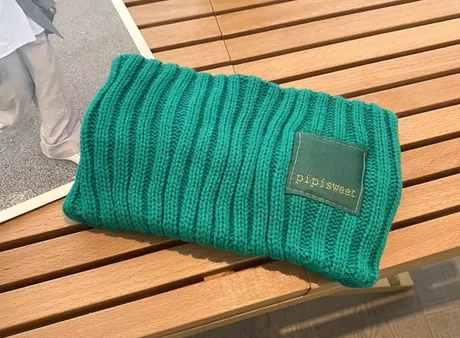
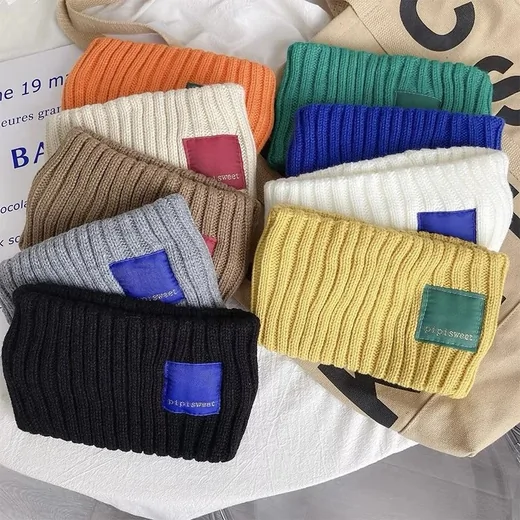 Chunky rib beanie with a square woven label
The cover is a pile of colours; close-ups show a deep rib and a label sewn onto the cuff.
¥25.28 · catalogue price, 20 Oct 2026
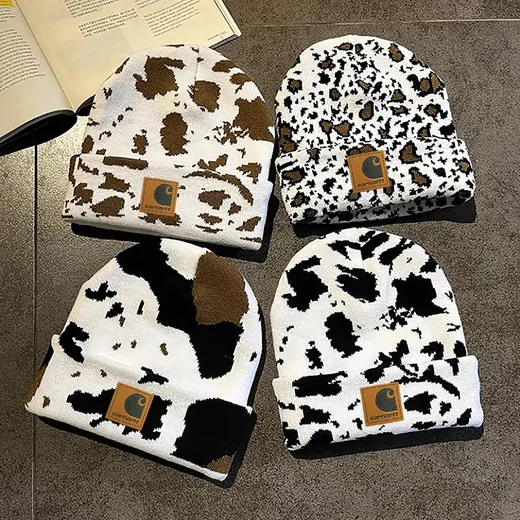 Cow-spot jacquard beanie in four colourways
The pattern is knitted through the hat rather than printed on top, which shows at the cuff fold.
¥31.96 · catalogue price, 20 Oct 2026
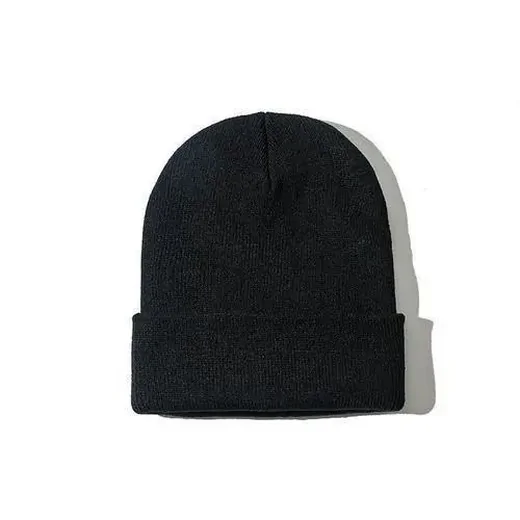 Plain black cuffed beanie
The price moves from ¥36 to ¥42 by option; the extra photos include a white version with a tighter rib.
¥36 to ¥42 · catalogue price, 20 Oct 2026
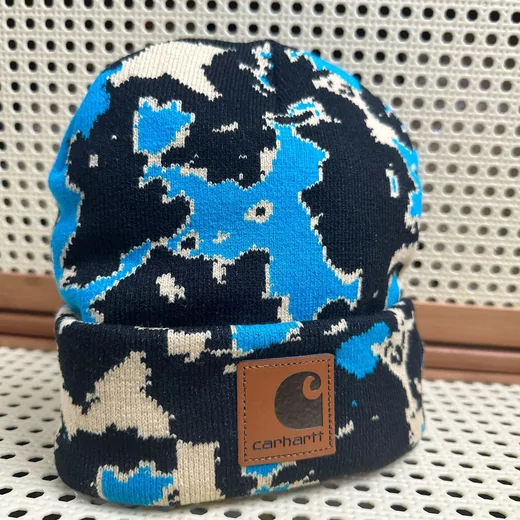 Abstract camo knit beanie in blue or yellow
Bold jacquard all round with a leather-look patch; both colourways are shot on the same dotted backdrop.
¥37.70 · catalogue price, 20 Oct 2026
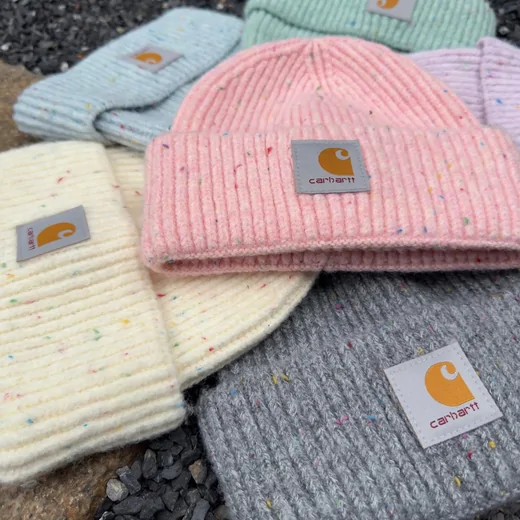 Speckled-yarn beanie in soft pastels
Flecks of colour in the yarn show best in the close-ups of the cream and pink versions.
¥39 · catalogue price, 20 Oct 2026
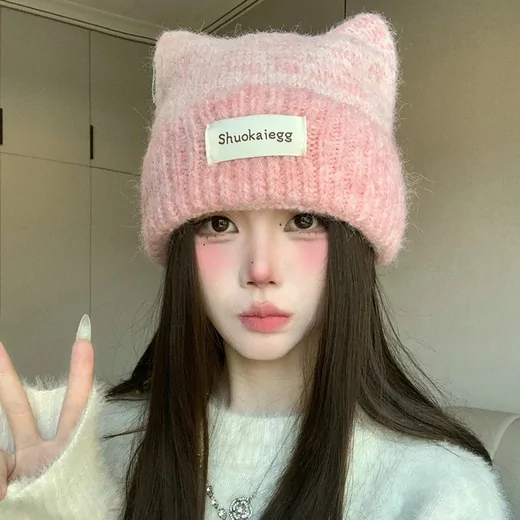 Fluffy knit beanie with small cat-ear points
Worn photos show pink, mustard and tan; the ears are shaped into the knit, so it sits snug at the crown.
¥44 · catalogue price, 20 Oct 2026
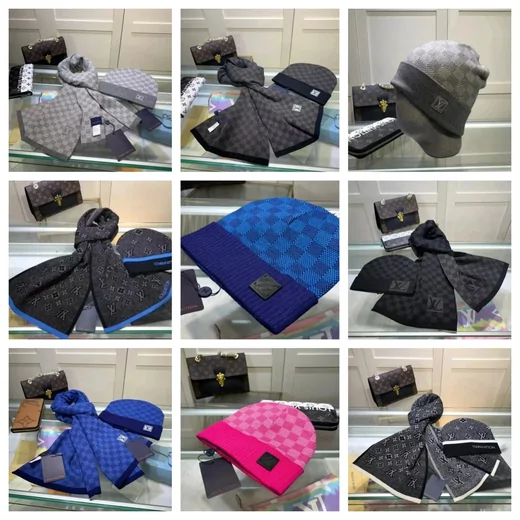 Two-tone check scarf, alone or with a beanie
The range runs from ¥14 to ¥314 across options; the figure on this card is only the lowest one.
¥14 to ¥314 · catalogue price, 20 Oct 2026
¥50 to ¥119 4 picks
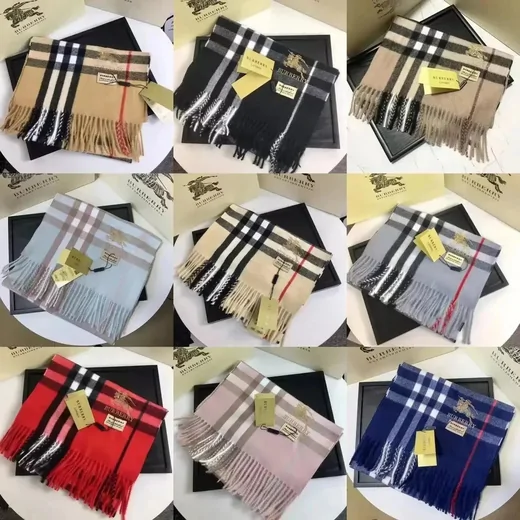 Classic check scarf in a run of colourways
Options start at ¥69 and reach ¥249, so the option name decides which tier the scarf really sits in.
¥69 to ¥249 · catalogue price, 20 Oct 2026
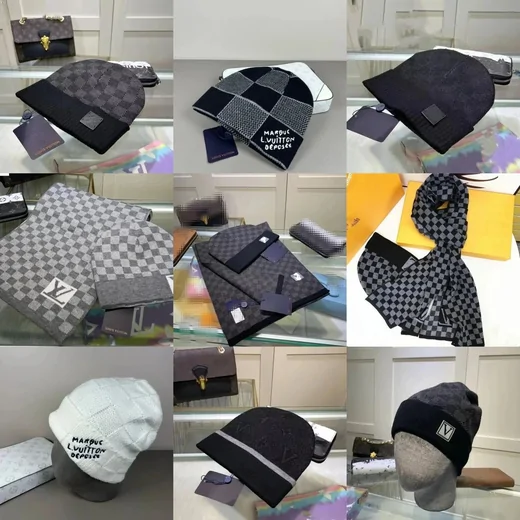 Check-knit beanie and scarf pairs in navy and grey
Hats and scarves share the grid, so read the option list to see whether you are buying one piece or two.
¥89 to ¥239 · catalogue price, 20 Oct 2026
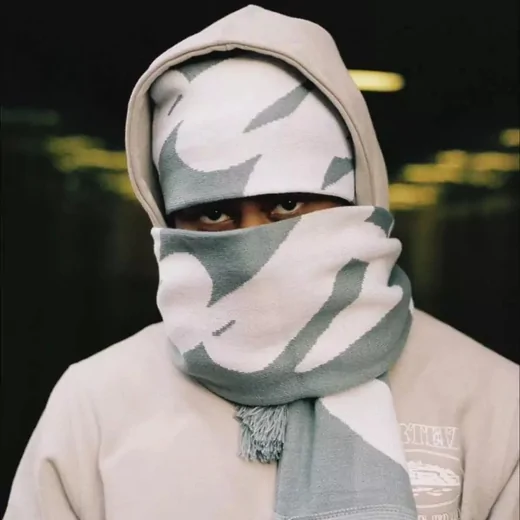 Camouflage knit scarf with a fringed end
Worn photos wrap it high over the face; flat shots in black and khaki show a small woven badge.
¥112 · catalogue price, 20 Oct 2026
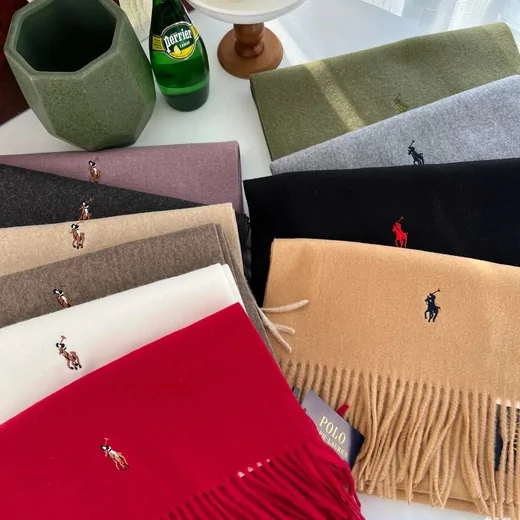 Plain fringed scarf with a small stitched emblem
Solid colours with a tiny embroidery near one end; coffee and light grey are shown beside their bag.
¥113.40 · catalogue price, 20 Oct 2026
¥120 and up 4 picks
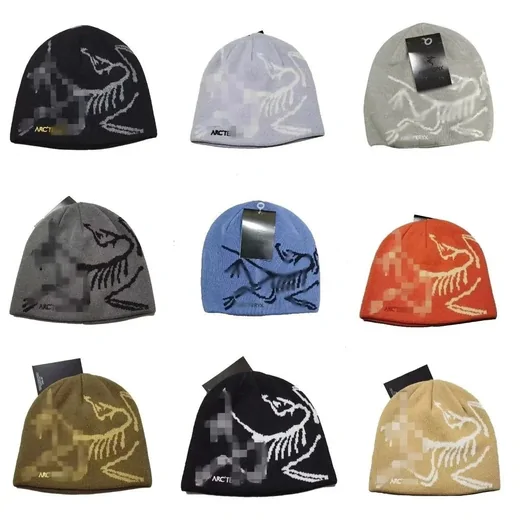 Fine-knit beanie with a large outline embroidery
The dearest knit hat in the deck; a two-tone cuff version appears in the extra photos.
¥138 · catalogue price, 20 Oct 2026
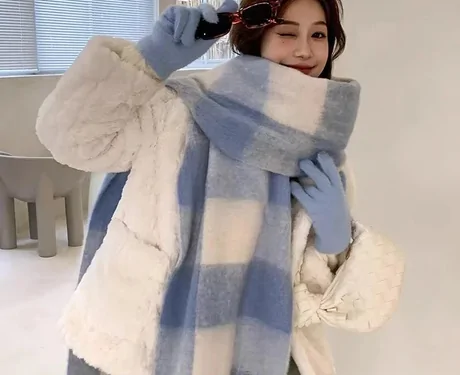
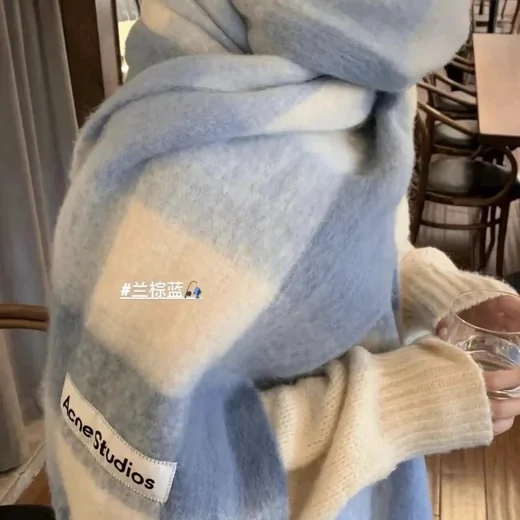 Brushed check scarf in pale blue or mustard
The price climbs with the option picked; the worn photo shows a thick, fluffy surface.
¥130.80 to ¥282 · catalogue price, 20 Oct 2026
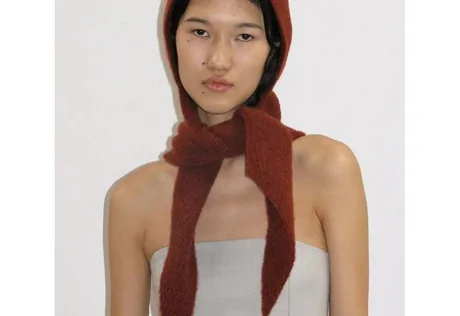
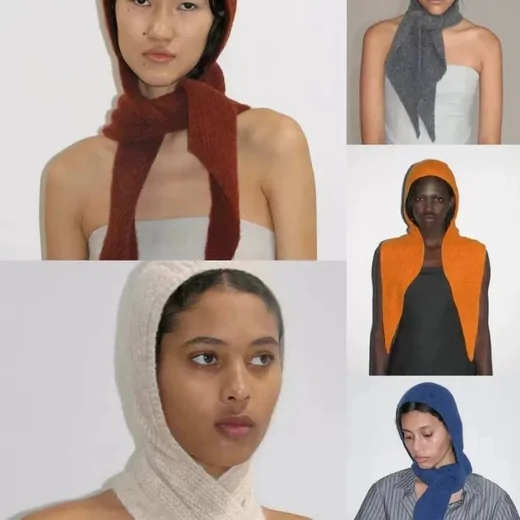 Knit hood scarf that ties under the chin
Hood and scarf in one piece; model photos show rust, grey and cream.
¥158.80 · catalogue price, 20 Oct 2026
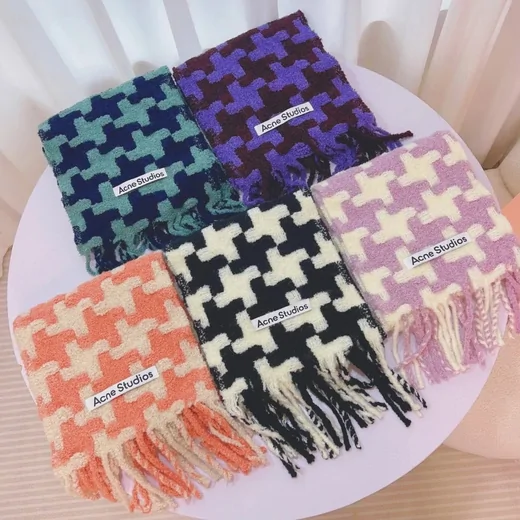 Oversized houndstooth scarf with a long fringe
Big-scale pattern in four colour pairs; worn photos show it hanging below the knee when left loose.
¥270 · catalogue price, 20 Oct 2026
Rib, jacquard and fluffy yarn on knit hats
Most beanies are rib knits: raised vertical lines that stretch round the head and spring back. A chunky rib, like the stacked beanie at the bottom of the price list, has deep lines and a thick cuff; a fine rib lies flatter and folds into a neater cuff. Jacquard beanies knit the pattern into the fabric, so the colours show on the inside too, which is how to tell them from a printed pattern in close-ups.
Fluffy yarns, sold as brushed or mohair-style, photograph soft and slightly blurred on purpose. They shed a little in the first weeks of wear, and they hide stitching flaws as well as showing none. Speckled yarns, with flecks of other colours spun in, are easy to mistake for lint in a dim warehouse photo.
Cuffed beanies fold up at the brim; slouch beanies carry extra length at the back; shaped hats, like the cat-ear one, are knitted to a form and fit snugger than plain ones.

Scarf length, fringe and the hood-scarf hybrid
Scarf listings give length and width in centimetres when they give anything. Worn photos are a better guide: the houndstooth scarf hangs past the knee on a tall model, while the check scarf is shown wrapped twice at the neck. A scarf you want to wrap twice and still leave ends hanging needs to be long.
Fringes are knotted or cut. Cut fringes on brushed scarves fluff out with wear; knotted fringes hold their line. Two-tone check scarves, like the pair at the low end of the list, may show a different colour on each side, which is worth checking in the photos if you want one face of the pattern to show.
The knit hood scarf is a newer shape: a hood with long ends that tie under the chin or cross at the neck. Model photos are the only way to judge its depth, and this listing has several.
Words for knits on Chinese listings
毛线帽 (máoxiànmào, yarn hat) and 针织帽 (zhēnzhīmào, knitted hat) both mean beanie; 冷帽 is a cold-weather hat. 罗纹 is rib, 粗针 is a chunky gauge, 细针 a fine gauge, and 卷边 a turned-up cuff. 提花 means jacquard. 加绒 or 加厚 says the hat is lined or thickened, which helps in a cold climate and doubles its bulk in a parcel.
Scarves are 围巾 (wéijīn); a shawl is 披肩. 流苏 is fringe, 格子 is check and 千鸟格 is houndstooth, literally a thousand-bird check. 连帽围巾 is a hooded scarf. Fibre words like 羊毛 (wool), 羊绒 (cashmere) and 腈纶 (acrylic) are the seller's claim; at these prices, expect acrylic or a blend unless the listing shows a composition label in a photo.
套装 marks a set, a hat and scarf sold together, and it is the word to look for when a listing's photos mix single pieces and pairs.
Knit photos, warehouse checks and parcel bulk
Ask for photos that show the inside of a jacquard, the cuff unfolded and the scarf laid flat at full length. A knit can lose or gain a few centimetres when stretched for a photo, so a ruler beside it is worth more than a seller's number.
Knits are light but bulky. In practice buyers ask the agent to remove hangers, plastic bags and boxes, then pack knits round harder items where they double as padding. Scarves fold small; thick lined beanies do not.
Pilling, the small balls that form on rubbed yarn, rarely shows in a new-item photo. Judge yarn by the price and the stitch definition in close-ups, and expect cheaper acrylic knits to pill sooner than wool.