AllChinaBuy Spreadsheet Hat Rack
Hat Rack › Sunglasses and optical frames
Eyewear on the fourth hook: frames, shades and the codes that sell them
Eyewear listings sell by chart: one photo of many frames, each tagged with a code. The eight picks here are frames and sunglasses we could describe from their photos, priced as the catalogue showed them on 20 October 2026. Lenses for a prescription are a job for an optician, not for this rack.
Frames and shades picked for the rack, by tier
Most eyewear on this hook sits between ¥50 and ¥119; two pairs climb into the highest tier, one of them a listing with a wide price range.
¥50 to ¥119 6 picks
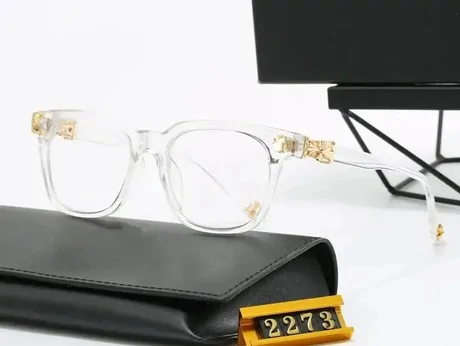
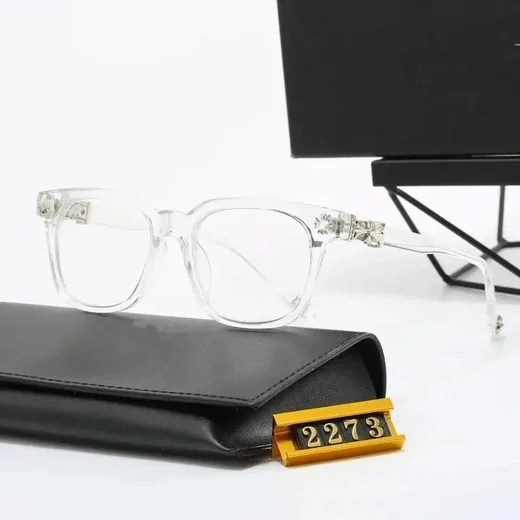 Clear acetate frames with a metal hinge accent
See-through and black versions on a black case, with a small price-code card in the shot.
¥59 · catalogue price, 20 Oct 2026
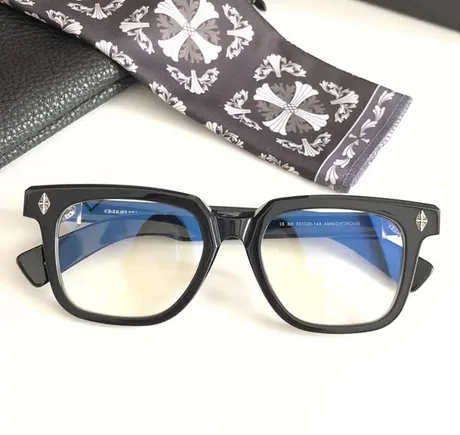
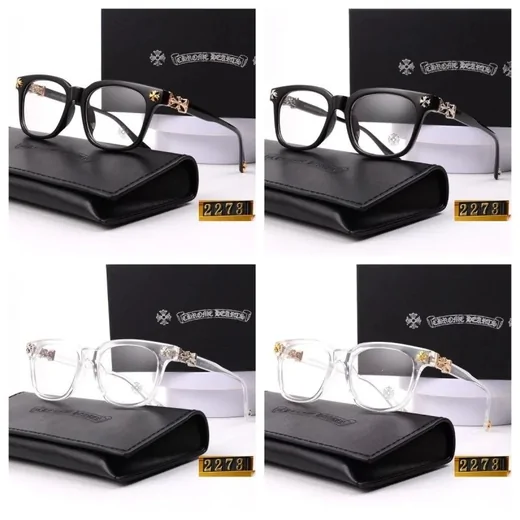 Square optical frames in black or clear
Four shots of the same frame from the front and side; the lenses in the photos are display lenses.
¥59 to ¥119 · catalogue price, 20 Oct 2026
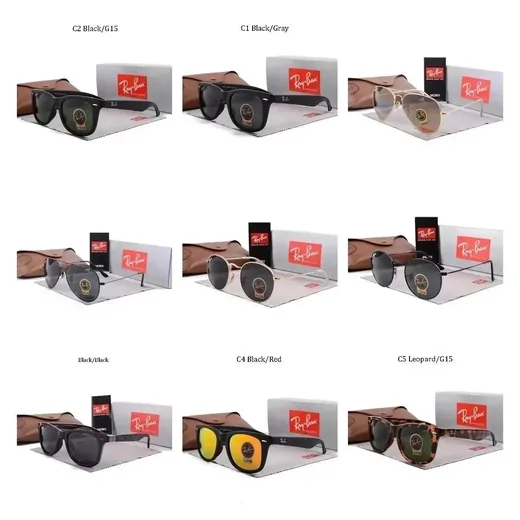
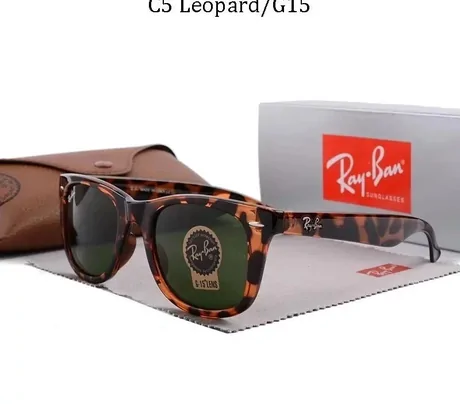
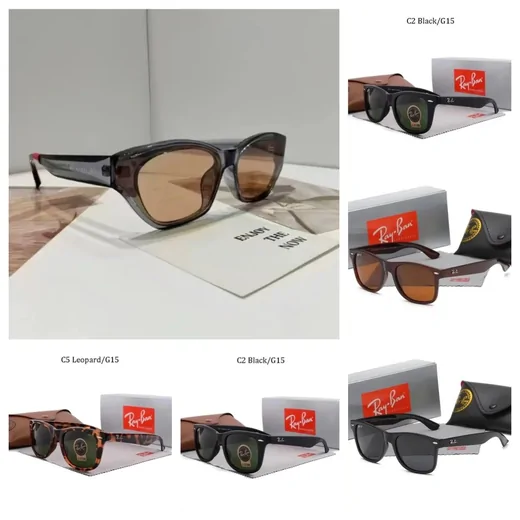 Square-frame sunglasses with coded lens options
Codes such as C4 and C5 sit above each photo, pairing a frame colour with a lens colour.
¥66 · catalogue price, 20 Oct 2026
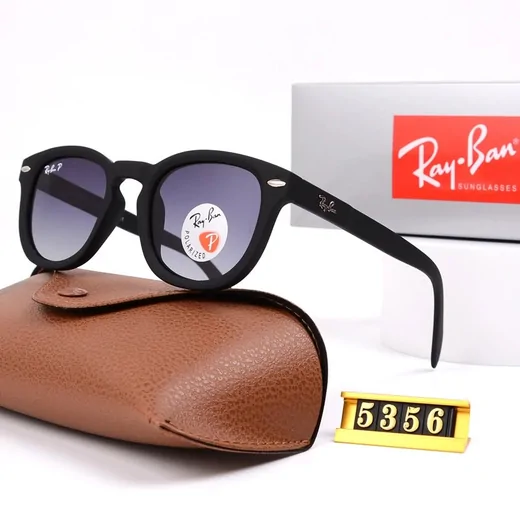 Rounded black sunglasses with gradient lenses
Brown and dark lens options appear with a tan case; the price shifts a little by option.
¥68 to ¥83 · catalogue price, 20 Oct 2026
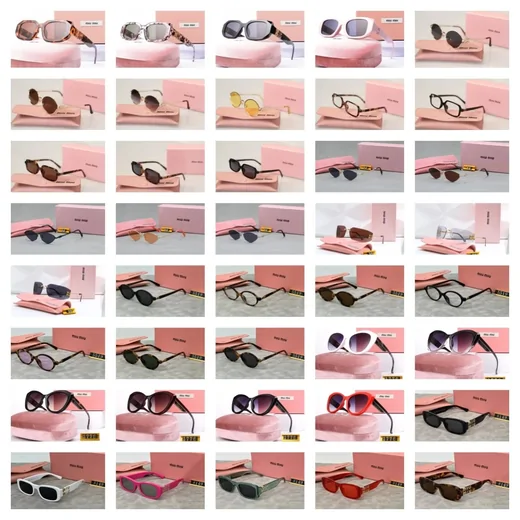 Chunky rectangular sunglasses on pink cases
Tortoise and patterned frames with small side details; a model code printed in red marks the photos.
¥69 · catalogue price, 20 Oct 2026
 Metal-frame sunglasses with a chart of lens colours
Extra photos show a blue mirror aviator and a round gold-frame pair; pick by the code under each photo.
¥79 · catalogue price, 20 Oct 2026
¥120 and up 2 picks
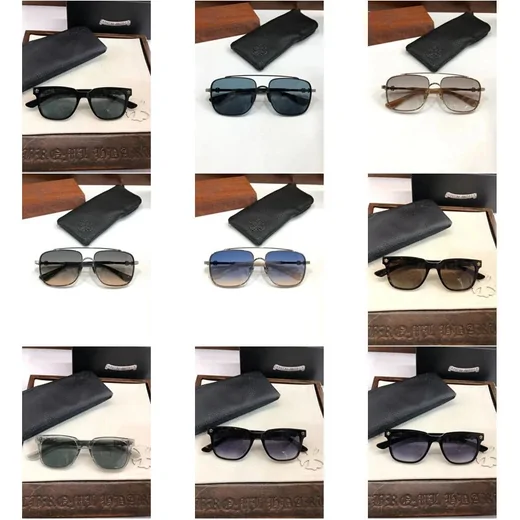 Assorted rectangular sunglasses with dark lenses
A wide spread of shapes under one listing; extra photos show a black and a tortoise pair with a stamped case.
¥180 to ¥480 · catalogue price, 20 Oct 2026
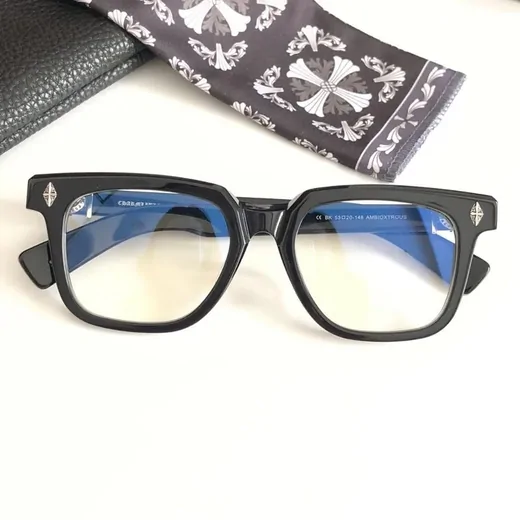 Thick black square frames with clear lenses
The dearest pair in our pull; extra photos add a green-tinted frame with blue-light style lenses.
¥285 · catalogue price, 20 Oct 2026
Square, round and rectangular frames on this hook
The square frames here come in thick black acetate and in clear plastic; square shapes suit rounder faces and read heavier the thicker the rim. The rounded sunglasses soften the line, and the chunky rectangles sit closer to the brow. Metal-frame sunglasses, including the aviator in one chart, are lighter and show more of the face.
Acetate is a plastic cut from sheet, and in photos it shows depth and sometimes a pattern such as tortoise. Moulded plastic is lighter and often shinier. Listings often say acetate whatever the frame is, so judge by the edges: cut acetate has crisp, polished edges, moulded frames have a faint seam.
Width is the measurement that matters most and the one least often given: a frame that is too narrow pinches at the temples, one too wide slides down the nose. If a listing gives three numbers such as 52, 18 and 145, they are usually lens width, bridge and arm length in millimetres.
Colour codes and lens claims on eyewear listings
Charts carry codes such as C1, C2 or C4, each pairing a frame colour with a lens colour; the code is the option to pick, and the option name in the listing should repeat it. When a chart shows nine pairs and the option list names six, ask before buying.
In Chinese, 墨镜 (mòjìng, ink glasses) and 太阳镜 both mean sunglasses; 眼镜框 or 镜框 is a frame; 平光 means plain, non-prescription lenses; 偏光 means polarised; 防蓝光 is a blue-light filter claim; 渐变 is a gradient lens. 板材 is the seller's word for acetate. These are claims the listing makes, and the photos can only show colour, not filtering.
Polarised lenses cut glare off water and roads, and a polarised label is easy to test once the glasses arrive: look at a phone screen and tilt your head. UV protection cannot be judged by eye, so a label is all you have.
What eyewear photos should show, and what QC can catch
The photos worth having are a front view on a plain background, a side view of the arm and hinge, and a top view that shows the frame curve. Many eyewear listings show the case and cloth more prominently than the glasses; the case is a pleasant extra, not the product.
After purchase, warehouse photos can catch scratches on a lens, a crooked arm or a hinge that does not close evenly. Ask for a photo with the glasses folded, and one with them open on a table: if one arm lifts off the table, the frame is twisted. A slight tilt can be adjusted by any optician; a cracked hinge cannot.
Clear frames show glue marks and inner flaws that tinted frames hide. That is no reason to avoid them, only a reason to look harder at the close-up.
Cases, cloths and getting frames home in one piece
Glasses travel best in a hard case, which is why many sellers include one; ask the agent to keep the case even when removing other packaging. A pair of sunglasses without a case is the item most likely to arrive bent in a soft parcel.
AllChinaBuy's archived user guide listed package reinforcement among the extra services a buyer could ask for at the parcel stage, and most agents taking orders now sell something similar. For one pair of glasses in a hard case it is rarely needed; for three pairs in thin pouches it is.
Eyewear is light, so it adds almost nothing to a parcel's weight. That makes it one of the better small additions to an order that is shipping anyway.