AllChinaBuy Spreadsheet Hat Rack
Hat Rack › Caps, visors and trucker hats
Caps on the first hook: panel caps, camp caps, truckers and visors
Caps are the most common small item added to an agent parcel, and the catalogue holds hundreds. These ten were picked for shape and colour range, not for whatever is stitched on the front. Prices are the catalogue's figures on 20 October 2026.
Caps hung by price, lowest tier first
Each card leads to its listing; the note under it says what the other photos show or what the options hide.
Under ¥50 5 picks
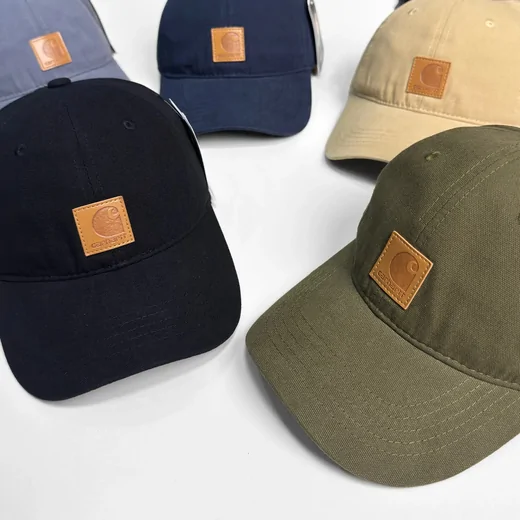 Canvas work cap in navy, olive and sand
The lowest-priced cap on this hook in our pull: plain canvas, a curved brim and a small front patch.
¥35.76 · catalogue price, 20 Oct 2026
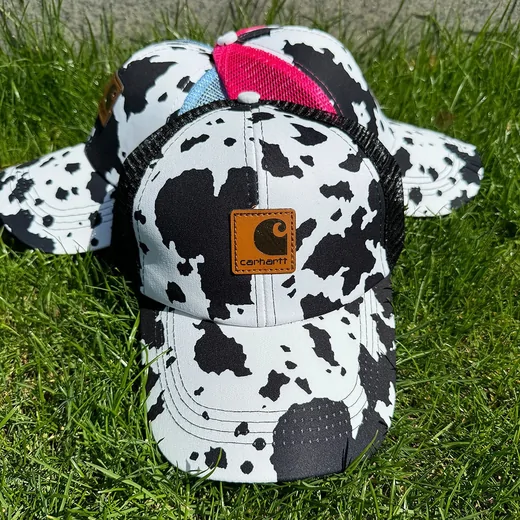 Cow-print trucker cap with a mesh back
Shot on grass with a black mesh rear in one photo and a pale blue one in the next; match the option name to the photo.
¥37 · catalogue price, 20 Oct 2026
 Washed pink cap with script stitching on the front
Shown worn and flat on a desk in black and pink, which helps judge how deep the crown sits.
¥44.30 · catalogue price, 20 Oct 2026
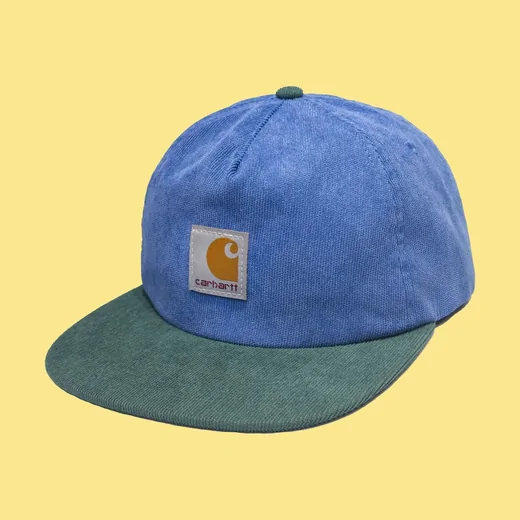 Two-tone six-panel cap, blue crown and green brim
Extra photos show purple with lilac and black with pink, so the colour you want lives in the option list.
¥49.60 · catalogue price, 20 Oct 2026
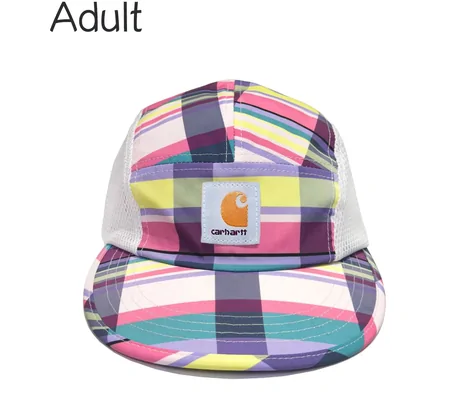
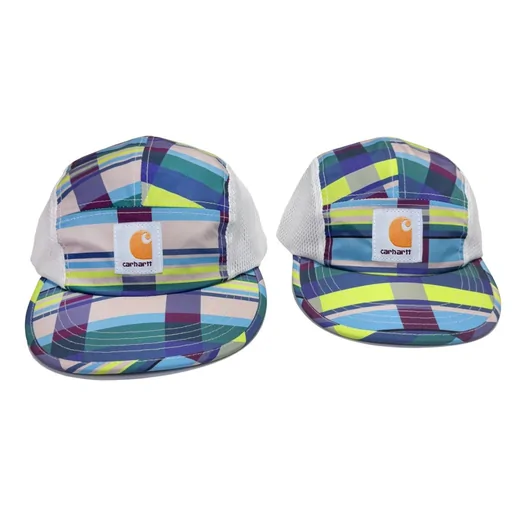 Plaid five-panel cap in adult and child sizes
One listing photo puts an adult and a child version side by side, so the size option matters more than usual here.
¥49.60 · catalogue price, 20 Oct 2026
¥50 to ¥119 3 picks
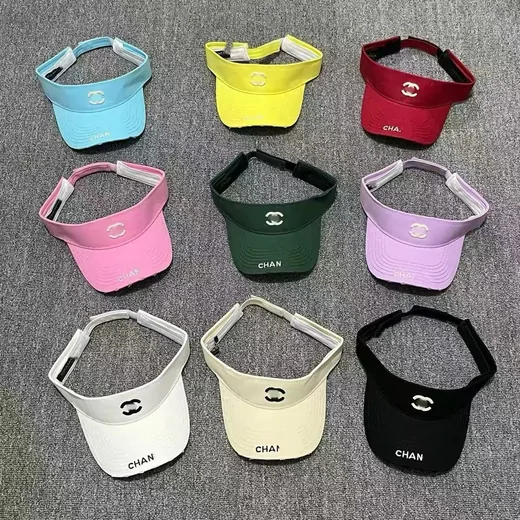 Open-top sun visors in nine colours
No crown at all, so it packs flat; close-ups show a stitched front band and a strap closure.
¥50 · catalogue price, 20 Oct 2026
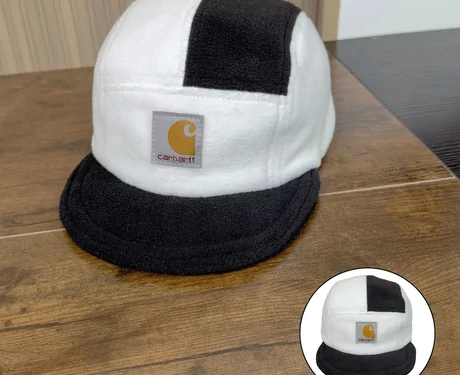
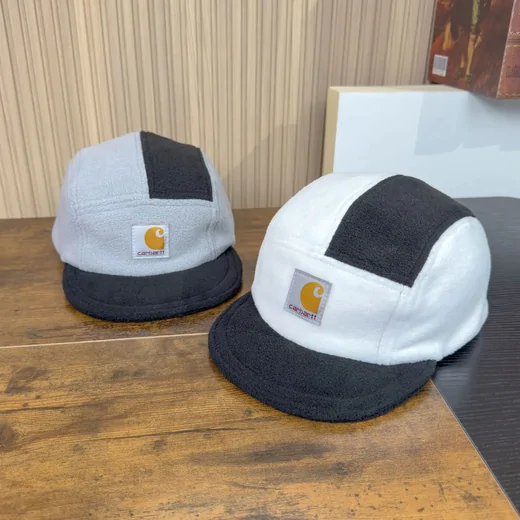 Fleece camp cap with a contrast top panel
A short flat brim and a soft crown; the round inset shows the back, worth a look before choosing.
¥51.20 · catalogue price, 20 Oct 2026
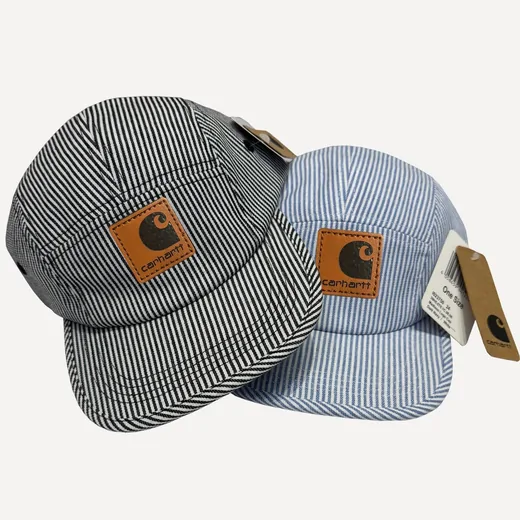 Pinstriped work cap with a leather-look patch
Two stripe tones appear, a darker grey and a pale blue; each still carries its paper hang tag in the photos.
¥52 · catalogue price, 20 Oct 2026
¥120 and up 2 picks
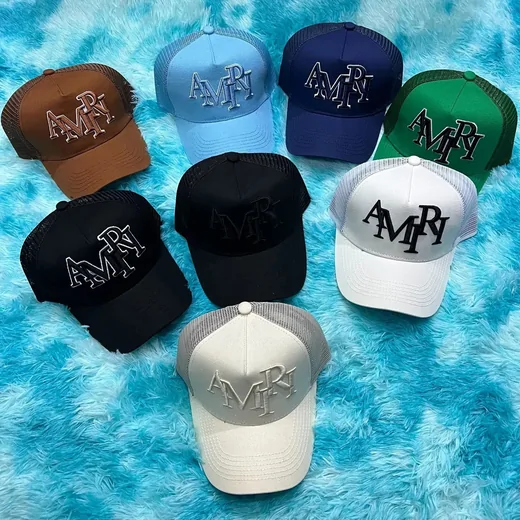 Mesh-back trucker cap with tall raised lettering
Thick raised stitching stands proud of the front panel; side shots show how much of the back is mesh.
¥128 · catalogue price, 20 Oct 2026
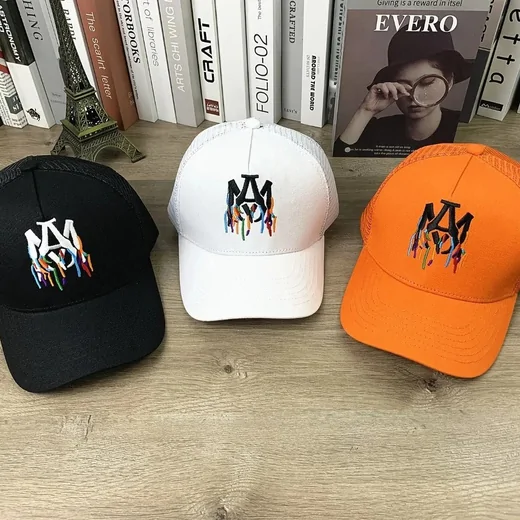 Trucker cap with a multicolour drip motif
Black, white and orange fronts sit together on a shelf, each with a mesh rear and a snap strap.
¥128 · catalogue price, 20 Oct 2026
Crown, brim and back: the shapes this hook holds
A six-panel cap has a rounded crown built from six triangular panels meeting at a button on top; it is what most people picture when they say baseball cap. A five-panel, sometimes listed as a camp cap, uses a wide front panel and a flatter, shallower crown, and usually pairs with a short flat brim. Trucker caps swap the back panels for mesh and often carry a tall front. Visors drop the crown altogether.
Brims come curved or flat. A curved brim is pre-bent and sits low over the eyes; a flat brim stays straight and reads more casual. Listings rarely say how stiff the front is, but photos do: a firm front holds its shape on a table, while a soft front folds forward or dents in the middle. On this hook the raised-lettering truckers stand upright on their own in their photos, while the camp cap's crown sits lower and softer.
Closures sit at the back: a plastic snap strip, a fabric strap with a metal slide, a buckle, or no opening at all on fitted caps. Strap types matter more than they seem, because they decide whether a cap fits a head that falls between sizes.
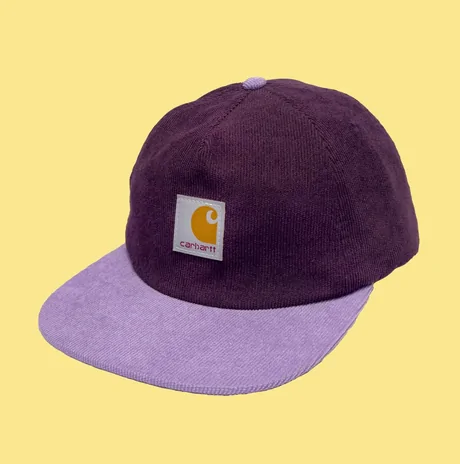
Cap titles decoded, from duck-tongue to snapback
Cap titles mix a few Chinese terms with English shop words. 鸭舌帽 (yāshémào, literally a duck-tongue hat) is the everyday word for a peaked cap; 棒球帽 is a baseball cap; 卡车帽 or 货车帽 marks a trucker; 遮阳帽 or 空顶帽 points to a sun visor, the second literally an empty-top hat. 硬顶 and 软顶 describe firm and soft fronts, when a seller bothers to say.
Sizes are usually given as 头围, head circumference, with a range in centimetres, or simply as 均码, one size, with an adjustable back. 可调节 means adjustable. Colour choices sit under 颜色分类, and option names are often a colour plus a code. When the option list shows 成人 and 儿童, adult and child, as the plaid cap does, the photos alone will not tell you which you are getting.
English in cap titles tends to be shop shorthand: snapback, dad hat, camp cap, washed, vintage. Treat those as rough shape hints and let the photos settle it.
Photos worth finding before a cap goes on your list
A side view tells you the crown height, which is the measurement most likely to disappoint: a deep crown sits over the ears, a shallow one perches. A back view shows the closure and how much room it leaves. A worn photo, like the pink cap's, gives scale against a face, which flat shots never do.
Look at the brim edge for even stitching lines and at the front patch or embroidery for loose threads. Washed and faded caps are meant to look uneven, so judge the wash by comparing several photos of the same colour rather than calling it a fault. On mesh-back truckers, check how the mesh meets the front panel; that seam takes the strain when the cap is pulled on.
After purchase, the agent's warehouse photos are your second look. For a cap, ask for a side view if the standard photos show only the front.
Sending caps through an agent without a dented crown
Caps weigh little but take up room, and once a parcel is bulky the shipping is charged on its space as well as its weight. In practice buyers stack caps inside one another, crown into crown, which keeps the shape and saves volume. Boxes and plastic shells that some sellers add are the first thing to drop when a parcel needs to stay small.
AllChinaBuy's Shipping Expert request, as its archived pages described it, let buyers say whether to keep or remove original packaging before a parcel was packed; what happened to AllChinaBuy since is on the record page. Any agent taking orders now has a remark box or packing option that does the same job: write that caps should be nested and not folded.
Two or three caps make a sensible add-on to a clothing parcel. A parcel of ten caps on its own is mostly air, and the shipping bill will show it.